FM Coaching · Fitness Guides
Bodybuilding Physique Types: UK Competition Divisions Explained
An official-rule-grounded UK guide to bodybuilding physique divisions, judging priorities, federation differences and choosing a suitable first class.
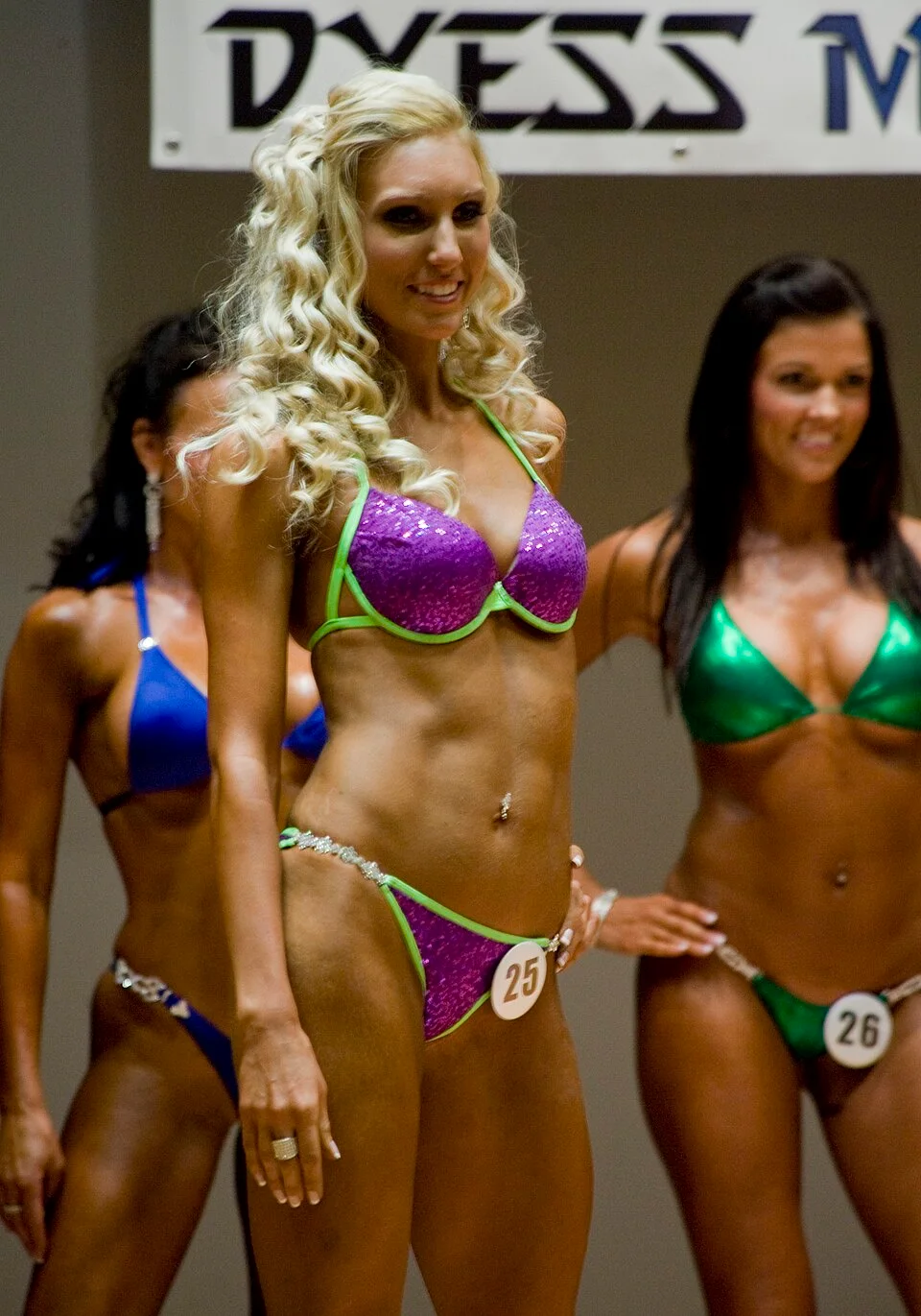
Which bodybuilding physique type should you compete in? The answer is not simply 'the one with the most muscle'. Men's Bodybuilding, Classic Physique, Men's Physique, Bikini, Wellness, Figure, Fit Body and related divisions reward different combinations of muscular development, symmetry, conditioning, posing and presentation. The precise rules change with the federation and sometimes the event.
This is a practical UK-specific guide to bodybuilding physique types and competition categories. It separates a division from an experience or age class; compares men's and women's options; identifies naming traps between PCA, UKBFF, WNBF UK and other organisations; and gives you a decision worksheet before you pay for a stage entry. It is for first-time competitors and interested lifters, not a claim that every federation offers every category.
Quick answer: If you want maximal all-round muscular development and mandatory muscle poses, study Bodybuilding. If you prefer a particular shape-and-presentation standard, compare Men's Physique, Classic, Bikini, Figure, Fit Body, Wellness and related divisions against the actual judging rules. Fit Model is not necessarily the same as Bikini; Classic Bodybuilding is not always the same category as Classic Physique; and natural is an eligibility/rules distinction, not a separate body shape.
First, learn the three terms people mix up
| Term | Meaning | Example |
|---|---|---|
| Federation/organisation | The body that publishes competition and eligibility rules | PCA, WNBF UK, UKBFF or BNBF |
| Division / physique category | The physical standard and presentation used to judge athletes | Men's Physique, Figure or Classic Physique |
| Class | A subgroup inside a division, sometimes by experience, height, weight or age | First Timer, Novice, Junior, Masters, Short/Tall or a weight class |
You do not 'choose the novice physique'. You choose a division and, if eligible and offered, enter the corresponding novice or first-timer class. A novice label may not transfer from one federation to another. Our separate guide to UK bodybuilding federations for first timers explains organisations, eligibility and show-selection costs in detail; this page goes deeper into what physique the judges actually compare.
Bodybuilding physique types: quick comparison table
The table deliberately avoids fake objective thresholds such as 'Bikini must have 15% body fat'. Official rulebooks mostly assess an overall look, not a universal waist measurement or body-fat number.
| Physique type | General judging emphasis | Presentation clue | UK availability examples |
|---|---|---|---|
| Men's Bodybuilding | Whole-body muscularity, symmetry, conditioning | Traditional compulsory muscular poses and routines according to rules | PCA, UKBFF, WNBF UK, BNBF |
| Classic Bodybuilding / Classic Physique | Proportions, classical silhouette and prescribed posing; some rulebooks include height/weight criteria | Division-specific classic poses and trunks | PCA Classic Bodybuilding, UKBFF Classic Bodybuilding/Classic Physique, WNBF UK Classic Physique |
| Men's Physique | Upper-body shape, balance, taper and stage presentation | Commonly board-short-style attire and fewer bodybuilding-style muscular poses | PCA, UKBFF, WNBF UK |
| Muscular Men's Physique | A separately named more muscular standard where offered | Check federation attire and exact criteria | Listed by UKBFF; not a universal class |
| Women's Bodybuilding | Whole-body muscularity and conditioning | Bodybuilding mandatory poses and routine rules | WNBF UK; availability elsewhere must be checked |
| Women's Physique | Defined muscularity and balance under specific criteria | More traditional muscular posing than Bikini | UKBFF lists Women's Physique |
| Figure / Bodyfitness | Shoulder-to-lower-body balance, muscular shape and category-specific conditioning | Quarter turns, walks or routines depending on organiser | WNBF UK Figure, UKBFF Bodyfitness, PCA Figure variations, BNBF Figure |
| Fit Body / Athletic | A trained, conditioned physique with organisation-specific judging criteria | Figure-style or muscular presentation according to the rulebook | WNBF UK Fit Body; BNBF Athletic (not equivalent standards) |
| Wellness | Distinct emphasis on lower-body development and overall balance | Category-specific turns and walks | PCA Ladies Wellness; UKBFF Wellness Bikini Fitness |
| Bikini / Bikini Fitness | Balanced athletic shape, division-specific muscular development and stage presentation | Bikini-style walk/quarter turns, with local variations | PCA Bikini, UKBFF Bikini-Fitness, WNBF UK Bikini |
| Fit Model | A separately defined standard that may favour a softer presentation than Bikini | Specific outfit, walking and physique requirements | PCA Bikini Fit Model; UKBFF Fit Model; NPC/IFBB Pro League have their own rulebooks |
| Fitness (routine-based) | A mix of physique presentation and athletic performance where offered | Performance routine in addition to physique elements | Depends on event and federation; do not assume available at PCA/UKBFF shows |
| Adaptive / disability classes | Eligibility and judging adapted to a division's rules | Event-specific criteria and arrangements | PCA lists Mixed Disability; ask the event organiser for accessibility and class detail |
Important: These are comparative descriptions, not legally binding or exhaustive rules. The organiser can add, remove or merge classes. Always read the full official criteria for the particular event and year before registering. PCA UK's live criteria, UKBFF category list, and WNBF UK's division directory illustrate why one generic universal category list can mislead.
Men's physique categories: the key differences
1. Men's Bodybuilding: total muscular development
Men's Bodybuilding is judged across the whole physique rather than rewarding one standout body part. Muscularity, symmetry, conditioning and the ability to present your development under compulsory poses matter. It is not simply an unlimited-size contest: balance and presentation still influence a competitive look.
Who should investigate it? Someone who enjoys the complete muscularity-and-posing challenge and wants to develop arms, chest, back and legs proportionately over time. Do not assume that 'beginner bodybuilding' means the athlete needs a professional bodybuilder's size or an unsafe level of leanness. A realistic readiness assessment compares you with the amateur division you will actually enter, not an Olympia winner.
WNBF UK publicly explains three rounds for its Bodybuilding class: symmetry, muscularity and free posing. Other federations use their own stages and judging weightings. WNBF UK Men's Bodybuilding criteria.
2. Classic Bodybuilding and Classic Physique: proportions plus presentation
These names are not interchangeable across organisations. Classic classes typically put strong emphasis on lines, symmetry and posing. Some organisations impose height-related weight restrictions; specific poses and attire differ.
A particularly instructive example is WNBF UK Classic Physique: its published criteria give greater explicit emphasis to symmetry and artistic presentation than its Bodybuilding criteria. By contrast, UKBFF's 2026 list includes both 'Classic Bodybuilding' and 'Classic Physique' separately. Therefore a search result using one 'Classic' definition cannot determine your entry for the other.
Choose it to investigate if: classic lines and stage artistry appeal to you, and you are prepared to learn the correct division-specific poses and check any applicable height/weight restrictions. It is not automatically easier, safer or less lean than Bodybuilding.
3. Men's Physique: shape, taper and presentation
Men's Physique generally evaluates an athletic, balanced look with particular attention to upper-body taper, shoulders, back, midsection and posing. Many organisations use board-short-style attire, making its presentation distinctly different from traditional bodybuilding trunks. That doesn't mean leg training is optional: balanced lower-body development remains important for performance and overall physique, while visibility on stage and judging rules vary.
Who should investigate it? A lifter who wants to compete under a particular Men's Physique standard rather than simply trying to show maximum whole-body muscularity. Learn how your chosen federation defines fronts, backs, transitions and stage walk before imitating videos from other organisations.
Official starting point: WNBF UK Men's Physique. PCA also lists Men's Physique short/tall classes on its current UK criteria page. Different organisations may score or present poses differently.
4. Muscular Men's Physique: not the same everywhere
UKBFF lists a 'Muscular Men's Physique' category. That is a useful reminder that not every body falls into a simplified three-column chart of Bodybuilding/Classic/Physique. If you're drawn to this name, read UKBFF's current rules and show schedule; never assume it exists at PCA or WNBF UK because you saw the term online.
Women's physique categories: clear explanations without arbitrary numbers
5. Bikini and Bikini Fitness
Bikini rewards a particular balance of muscular development, conditioning and presentation. The acceptable level of muscularity or conditioning varies by federation; it is misleading to say it requires 'no muscle', or to impose a single global body-fat percentage. Competitors train shoulders, back, glutes and legs, while presenting the complete look required by the division.
WNBF UK's Bikini criteria explicitly discuss balance, development and presentation. PCA has Bikini Short/Tall, junior and masters variants, and a separately named Bikini Trained class. Those variants are not automatically identical to UKBFF Bikini-Fitness.
6. Wellness
Wellness is distinct from Bikini because the category places a different emphasis on the lower-body-to-upper-body balance. That does not mean judges use a universal hip measurement, or that the athlete with the largest glutes wins. The entire physique, conditioning and presentation standard matter.
PCA UK's class list includes Ladies Wellness; UKBFF's 2026 list includes Wellness Bikini Fitness. Compare the actual criteria before planning a training block that over-emphasises one body part at the expense of overall balance.
7. Figure, Bodyfitness and PCA Figure variations
'Figure' is not one globally identical division. WNBF UK's Figure judges balance, proportion, muscular development and stage presentation under its published criteria. UKBFF offers Women's Bodyfitness. PCA separately lists Toned Figure, Athletic Figure and Trained Figure; these are named classes whose criteria should not be collapsed into 'Figure is just harder Bikini'.
For comparison, WNBF UK Figure describes a more muscular and conditioned look than Bikini. The BNBF women's criteria provide a different federation's Figure standards and judging process.
8. WNBF UK Fit Body and BNBF Athletic
These two names are easy to mistake for synonyms, but the rules are different. WNBF UK's Fit Body is a distinct figure-to-bodybuilding style category with its own development, symmetry, conditioning and stage-routine rules. BNBF's Athletic class has its own clearly specified pose and conditioning criteria. Neither should be chosen on name alone or described as automatically 'between Figure and Physique' across federations.
9. Women's Physique and Women's Bodybuilding
These divisions generally place greater emphasis on muscular development and more traditional muscular presentation than Bikini, but availability differs considerably. UKBFF lists Women's Physique. WNBF UK maintains Women's Bodybuilding criteria. Check each show because a category appearing in a federation rulebook doesn't guarantee a local event includes it.
10. Fit Model: why the name causes confusion
'Fit Model' is not an internet synonym for Bikini or an assessment of social-media popularity. PCA UK's current classes include Bikini Fit Model and UKBFF lists Fit Model; separate NPC/IFBB competitions have their own criteria. The attire, musculature and posing expectations must be checked in the selected federation's own rulebook.
FM Coaching has a detailed, dedicated guide to the PCA Fit Model vs Bikini difference, including UK posing and presentation. Read that guide before making a PCA Fit Model entry; this article intentionally avoids duplicating its full checklist.
11. Fitness routines and other specialist divisions
Some physique organisations hold fitness divisions combining stage presentation with an athletic performance routine. Other events offer sports-model, mixed, adaptive or disability categories. Availability, required routines and eligibility vary. If the category isn't listed in your event's official entry form, do not assume it will be added by request. Contact the organiser for a direct ruling.
The UK's different federation systems: do not mix the rules
The most dangerous category mistake is copying attire, qualification, posing or testing rules from a federation that isn't the one hosting your show. The table below is a navigation aid, not a claim of identical standards.
| Organisation | Verified category examples | What you must confirm |
|---|---|---|
| PCA UK | Men's Bodybuilding, Classic Bodybuilding, Men's Physique, Bikini, Bikini Trained, Fit Model, Figure variants, Wellness, Mixed Disability | Exact class on the chosen show's entry form, current UK criteria PDF, membership and first-timer eligibility |
| UKBFF | Bodybuilding, Classic Bodybuilding, Classic Physique, Men's Physique, Muscular Men's Physique, Bodyfitness, Bikini-Fitness, Wellness, Women's Physique, Fit Model | Current-year categories, height/weight restrictions, age rules and UKBFF/IFBB amateur pathway |
| WNBF UK | Bodybuilding, Classic Physique, Men's Physique, Bikini, Figure, Fit Body, Women's Bodybuilding | Drug-tested eligibility, full class-specific criteria, novice/first-timer wording and the specific event |
| BNBF | Bodybuilding, Figure, Athletic and other categories subject to the event | Its own natural eligibility, athletic and figure judging definitions |
| NPC Worldwide / IFBB Pro League pathway | Men's Bodybuilding, Classic Physique, Men's Physique, Bikini, Figure, Wellness, Fit Model and others depending on the event | This is a separate pathway from UKBFF/IFBB International; use the specific NPC Worldwide rulebook |
| NABBA and other UK organisations | Divisions and class names vary | Check the current official organiser's criteria rather than translating from PCA or NPC terms |
Natural vs untested is not a physique type. 'Natural Bodybuilding' refers to a competition and eligibility/testing framework. An athlete may enter Men's Bodybuilding, Bikini, Figure or another division in a natural federation if eligible. Testing programmes, previous prohibited-substance rules and declaration periods vary by organisation. Don't describe every open competition as drug tested or any natural event as automatically safe.
The decision framework: choose your division in eight checks
Use this before paying a deposit for tan, travel, suit or coaching. There is no scientifically valid quiz that can guarantee the ideal class from a body-fat estimate or a photograph alone.
- Select the actual event. Identify the organiser and year, not just a social-media poster.
- Download that event's rulebook. Check the division and any Junior, First Timer, Novice, Open, Masters, height or weight classes.
- Check eligibility and any anti-doping rules. If in doubt, ask the organiser in writing; previous competition history can matter.
- Study the judging standard. Decide whether your current training direction aligns with all the required muscle groups and presentation elements.
- Compare amateur examples. Look for recent competitors in the exact division and federation. Do not use only elite professional photographs or manipulated images.
- Practise compulsory poses. Your physique may look very different in front, side, back and stage transitions. Record objectively under the same conditions.
- Check attire, footwear and music. Some categories use posing trunks, board shorts, heels, an I-walk, a T-walk or a free routine. Never buy an outfit based on the name alone.
- Get an honest assessment of readiness and wellbeing. A qualified coach can discuss what to improve; no credible coach should promise a placing or use extreme dieting as the price of entry.
Three realistic examples (illustrations, not clients or predicted placings)
Example A: First-time male lifter with good upper-body development. Men's Physique may warrant comparison, but he still needs to look at his legs, symmetry, conditioning and the actual mandatory stage routine. He should not automatically select Classic because a social post calls his look 'aesthetic'.
Example B: Woman interested in training glutes and lower body. She might investigate Wellness, Bikini or related options depending on overall development and the organisation's specific standard. There is no hip-to-waist percentage that decides the category for her; the choice should not be reduced to one muscle group.
Example C: Experienced lifter choosing a natural federation. Eligibility/testing requirements come before deciding whether Classic, Bodybuilding or Figure fits. Previous drug use or federation history may be relevant under specific rules. Check eligibility confidentially with the federation rather than trusting general internet advice.
Printable division selection worksheet
Copy this table into a note or print it before you register. A blank field is intentional: it must be completed from the event's actual criteria.
| Question | Your answer / official link |
|---|---|
| Federation and event name | __________________________ |
| Show date and location | __________________________ |
| Division I am considering | __________________________ |
| Available class (First Timer / Open / Masters etc.) | __________________________ |
| Eligibility/testing checked? | __________________________ |
| Official current criteria URL | __________________________ |
| Posing rounds and timing | __________________________ |
| Clothing and footwear rules | __________________________ |
| Height/weight limits, if any | __________________________ |
| Travel, entry, tan, outfit and photo costs | __________________________ |
| Specific questions sent to organisers | __________________________ |
| Readiness and safety considerations | __________________________ |
How training may change between physique categories
These are coaching considerations, not extra federation judging requirements. All categories benefit from progressive resistance training, recovery, balanced nutrition and adequate movement quality. The emphasis varies:
| If your current objective is... | Possible training focus | Avoid this mistake |
|---|---|---|
| Bodybuilding | Even development across major muscle groups; posing tolerance; recovery | Only training visibly 'favourite' muscle groups |
| Classic | Symmetry and proportions plus specific pose rehearsal | Treating classic posing as the same as men's board-short posing |
| Men's Physique | Upper-back/delt development and whole-body balance; transitions | Neglecting legs or assuming posing doesn't matter |
| Bikini | Whole-body resistance training and division-specific symmetry/presentation | Treating glute work as the only requirement |
| Wellness | Lower-body development in relation to the exact standard and remaining physique | Building volume without checking proportion and recovery |
| Figure/Fit Body/Physique | Category-appropriate muscularity, conditioning and stage practice | Assuming the same body-fat target applies to all federations |
A common beginner error is choosing a division and immediately entering a very aggressive cut. A sensible order is to confirm criteria, assess current development, establish an appropriate training phase and decide whether the stage date is realistic. If the process risks health, significant distress or unsafe weight manipulation, postponing a competition is a legitimate choice.
A realistic first-timer timeline (adjust to your starting point)
| Stage | Useful actions | What not to assume |
|---|---|---|
| Before booking | Read official rules; confirm eligible division; check registration, travel, presentation and budget | Any current body shape can safely be stage-ready by a fixed date |
| General preparation | Build training consistency, muscular development, movement competency and sustainable nutrition | More sessions always produce a better physique |
| Specific preparation | Practise category-specific posing; adjust training and nutrition appropriately with expert support | Last-minute drastic dehydration is necessary or safe |
| Event week | Follow organiser logistics, practise stage transitions, prioritise recovery and personal safety | Another athlete's peak-week routine fits your body |
| After the show | Return to sustainable eating and training; plan recovery and future goals | Rapid body-weight fluctuations represent only fat gain |
For individual stage preparation, review FM Coaching's first-time competition prep coaching and the bodybuilding hub. For practical food planning in an ordinary training phase, use the bodybuilding meal-prep UK guide.
Ten myths about bodybuilding physique types
- 'Classic Physique is always less muscular than Bodybuilding.' Not a safe general rule; read the actual scoring and presentation criteria.
- 'Men's Physique athletes don't need to train legs.' False as training advice, and it confuses stage visibility with whole-body development.
- 'Bikini means you should avoid weights.' False. It is a judged physique division involving muscular development.
- 'Wellness is just the category for the biggest glutes.' Too simplistic; balance and specific standards also matter.
- 'Fit Model and Bikini are identical.' Not necessarily; PCA UK gives Fit Model a separately named place.
- 'Every natural competition uses the same testing rules.' False; criteria and policies differ.
- 'First Timer, Novice and Junior are three physique types.' False; they are class/experience or age labels.
- 'If a category exists in one federation, it exists at every show.' False; organisers may vary classes.
- 'Competition categories prescribe universal body-fat percentages.' A made-up percentage shouldn't replace the official full-body judging criteria.
- 'You must compete to call yourself a bodybuilder.' No; bodybuilding can also describe recreational resistance training aimed at muscular development.
Frequently asked questions about physique types
What are the main bodybuilding physique types?
Frequently used terms include Men's Bodybuilding, Classic Physique, Men's Physique, Women's Bodybuilding/Physique, Bikini, Wellness, Figure/Bodyfitness, Fit Body and Fit Model. Exact names and availability depend on the federation.
What's the difference between Bodybuilding and Men's Physique?
Bodybuilding usually judges muscularity and conditioning across the whole body using traditional compulsory poses. Men's Physique uses a distinct physique and presentation standard, often with board-short-style attire. Check the exact rulebook.
Is Classic Bodybuilding the same as Classic Physique?
Not universally. UKBFF lists them separately; PCA uses Classic Bodybuilding; WNBF UK has Classic Physique. Compare official criteria rather than translating the names.
Is Wellness bigger than Bikini?
The physique emphasis differs, notably around lower-body development, but 'bigger' alone is not a useful or complete judging rule. Symmetry, condition and presentation matter.
What's the difference between Figure and Fit Body?
At WNBF UK, they are separate divisions with different muscular-development and presentation standards. The terms may have other meanings at other organisations; don't assume a universal ladder.
Is PCA Bikini Fit Model an easy first class?
No class guarantees an easier contest. PCA publishes a distinct Fit Model standard; competitors should compare the criteria, their development and eligibility. See our dedicated PCA guide linked above.
Can a beginner enter bodybuilding competitions in the UK?
Potentially, yes, if they meet the selected organiser's rules. First-timer or novice classes may be available, but definitions vary and a competition deadline must be realistic for health and development.
Does natural bodybuilding mean a different physique shape?
No. It concerns eligibility and testing rules, not one universal set of body proportions. You still choose a division under that federation's rules.
Do bodybuilding categories have weight classes?
Some do; others use height or experience classes. Some Classic categories may have height-related weight restrictions. The exact numbers are federation-specific and may change, so refer to current rules.
Can I compete in two divisions at the same show?
Not automatically. PCA UK's published entry rules, for example, limit athletes to one single qualifying class per show, with organiser-controlled exceptions for non-qualifying local classes. Other rules vary. Confirm directly with organisers before registering twice.
What is the best division for women who train glutes?
There is no universal best one. Review complete Bikini, Wellness, Figure and related criteria, training history, presentation preferences and event availability rather than a single body part.
Which bodybuilding category is safest?
No category is automatically risk-free. Contest dieting, pressure around body image and last-minute manipulation may carry health risks regardless of division. Prioritise safe preparation, realistic timelines and appropriate professional advice.
Which competition category should I choose at 40 or 50?
First choose the physique division, then check whether a Masters class is offered for your age and event. 'Masters' doesn't describe a separate physique aesthetic; age cut-offs vary by federation.
Your next step with FM Coaching
Choose the actual UK show, read the current official rules and shortlist two divisions rather than blindly copying an overseas competitor. Then assess your proportions, stage skills, available preparation time and wellbeing honestly. Use our federation guide to select an organisation, and our PCA Fit Model vs Bikini guide for that detailed comparison. If you want a personalised assessment or a sustainable route to the stage, enquire about FM Coaching competition-prep support.
Official references and editorial approach
Criteria checked 26 October 2026. This article summarises official public rule pages and explains differences for UK beginners. Where pages do not specify universal numerical physique targets, none have been invented. A named class may be omitted or altered at a particular show; event instructions and current rulebooks take precedence. This guide does not imply endorsement by any federation.
- PCA UK — current criteria and entry rules.
- UKBFF — categories and registration timetable.
- WNBF UK — divisions directory.
- WNBF UK — Bodybuilding, Classic Physique and Men's Physique.
- WNBF UK — Bikini, Figure, Fit Body and Women's Bodybuilding.
- BNBF — competition judging criteria and women's criteria.
- NPC Worldwide / IFBB Pro League — rules.
FM Coaching editorial review: 26 October 2026. Recheck federation rules immediately before every event or annual review.
Questions and answers
What are the main bodybuilding physique types?
Frequently used terms include Men's Bodybuilding, Classic Physique, Men's Physique, Women's Bodybuilding/Physique, Bikini, Wellness, Figure/Bodyfitness, Fit Body and Fit Model. Exact names and availability depend on the federation.
What's the difference between Bodybuilding and Men's Physique?
Bodybuilding usually judges muscularity and conditioning across the whole body using traditional compulsory poses. Men's Physique uses a distinct physique and presentation standard, often with board-short-style attire. Check the exact rulebook.
Is Classic Bodybuilding the same as Classic Physique?
Not universally. UKBFF lists them separately; PCA uses Classic Bodybuilding; WNBF UK has Classic Physique. Compare official criteria rather than translating the names.
Is Wellness bigger than Bikini?
The physique emphasis differs, notably around lower-body development, but 'bigger' alone is not a useful or complete judging rule. Symmetry, condition and presentation matter.
What's the difference between Figure and Fit Body?
At WNBF UK, they are separate divisions with different muscular-development and presentation standards. The terms may have other meanings at other organisations; don't assume a universal ladder.
Is PCA Bikini Fit Model an easy first class?
No class guarantees an easier contest. PCA publishes a distinct Fit Model standard; competitors should compare the criteria, their development and eligibility. See our dedicated PCA guide linked above.
Can a beginner enter bodybuilding competitions in the UK?
Potentially, yes, if they meet the selected organiser's rules. First-timer or novice classes may be available, but definitions vary and a competition deadline must be realistic for health and development.
Does natural bodybuilding mean a different physique shape?
No. It concerns eligibility and testing rules, not one universal set of body proportions. You still choose a division under that federation's rules.
Do bodybuilding categories have weight classes?
Some do; others use height or experience classes. Some Classic categories may have height-related weight restrictions. The exact numbers are federation-specific and may change, so refer to current rules.
Can I compete in two divisions at the same show?
Not automatically. PCA UK's published entry rules, for example, limit athletes to one single qualifying class per show, with organiser-controlled exceptions for non-qualifying local classes. Other rules vary. Confirm directly with organisers before registering twice.
What is the best division for women who train glutes?
There is no universal best one. Review complete Bikini, Wellness, Figure and related criteria, training history, presentation preferences and event availability rather than a single body part.
Which bodybuilding category is safest?
No category is automatically risk-free. Contest dieting, pressure around body image and last-minute manipulation may carry health risks regardless of division. Prioritise safe preparation, realistic timelines and appropriate professional advice.
Which competition category should I choose at 40 or 50?
First choose the physique division, then check whether a Masters class is offered for your age and event. 'Masters' doesn't describe a separate physique aesthetic; age cut-offs vary by federation.