FM Coaching · Fitness Guides
Bodybuilding Posing for Beginners UK: 8 Mandatory Poses & 8-Week Practice Plan
A practical UK first-timer guide to eight compulsory bodybuilding poses, PCA and NABBA rules, quarter turns, routine timings and a manageable eight-week posing practice plan.
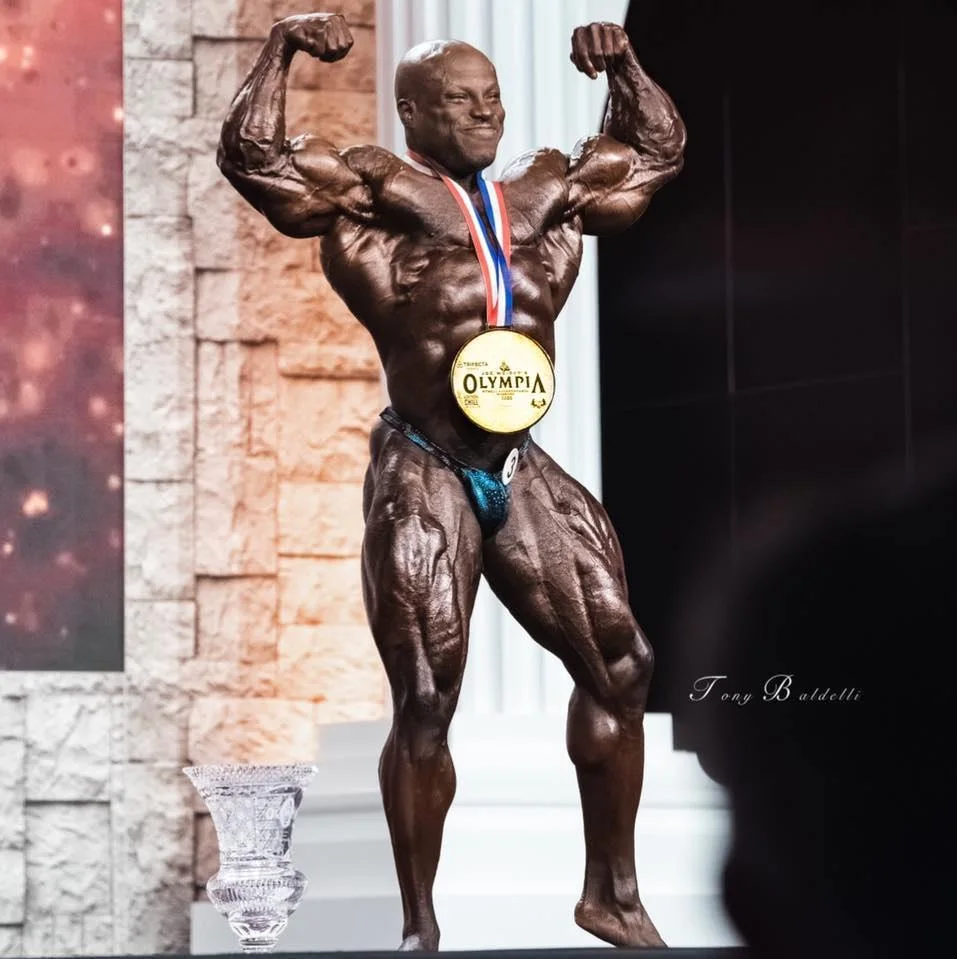
Starting your first bodybuilding show? Posing is a skill you can practise long before you step under stage lighting. It tells judges where to look, lets them compare your symmetry and conditioning, and helps you stay composed when the head judge calls a pose unexpectedly. This UK beginner's guide covers the eight common men's bodybuilding poses, the difference between PCA and NABBA, and an eight-week practice plan you can fit around normal training.
Quick answer: First check the exact rules for your chosen federation and class. Learn your front, side and rear stances; then practise the compulsory poses, smooth turns and a short routine. Filming yourself from the judges' viewpoint is usually more useful than relying on the mirror alone. First-time bodybuilding competition coaching can help coordinate posing with the rest of your preparation.
What are the 8 mandatory bodybuilding poses?
For standard men's bodybuilding classes, the eight commonly required poses are front double biceps, front lat spread, side chest, side triceps, rear double biceps, rear lat spread, abdominals and thigh, and most muscular. Both PCA men's bodybuilding criteria and NABBA men's first-timer rules name these eight, although the calling order and stage format differ. Not every division uses the same list: bikini, figure, wellness, classic and men's physique can follow different rules. Always check your exact class.
- Front double biceps: Set both feet, contract the quads, lift the elbows, display both arms and avoid letting your waist expand.
- Front lat spread: Place hands at the waist according to your class's accepted style; spread the lats without hiking the shoulders and keep the legs engaged.
- Side chest: Turn side-on, anchor your feet, bring the chest up and show the near-side arm while keeping the hamstring and calf active.
- Side triceps: Position the arms to display the triceps; keep the ribcage controlled, the midsection tight and the leg nearest the judges active.
- Rear double biceps: Face away, place a calf back if appropriate, raise the arms and open the upper back rather than shrugging.
- Rear lat spread: Show back width from shoulder to hip; keep your glutes, hamstrings and calves under control rather than relaxing below the waist.
- Abdominals and thigh: Show the abdominal wall and a clearly flexed front thigh, keeping your posture stable rather than collapsing forwards.
- Most muscular: Choose an allowed variation that displays your strongest overall look without hiding the waist or compromising balance.
Practise the whole pose, not just the muscle named in it: judges see shoulders, waist, legs and presentation at the same time. For precise class-by-class comparison, read FM Coaching's bodybuilding physique divisions guide.
How do beginners learn bodybuilding posing?
Start by learning the requirements for your chosen class, then build each pose from the floor upwards: feet, legs, hips, torso, arms and expression. Practise with a mirror until you know the shape; switch to a phone video at judge height to see what the stage will actually show. Review both sides of each side pose and learn to hit positions without a mirror.
A practical first session is 10 minutes: two minutes of front and rear stances, five minutes learning two compulsory poses, and three minutes filming them. Keep the lighting and camera position consistent so you can distinguish a genuine improvement from a different angle. Avoid forcing positions that cause pain. A trained posing coach can help with angles that you cannot see yourself.
How often should you practise bodybuilding posing?
For a new competitor, four to six brief sessions a week is a workable starting point, rather than one exhausting weekly session. Begin with about 5–10 minutes, and increase towards 10–20 minutes as your control and stamina improve. This is a coaching framework, not an official PCA or NABBA frequency requirement.
Divide your practice into two jobs. Technical work means changing foot position, hand placement and angles; holding work means retaining a clean pose while breathing normally. Film a full run-through once each week. Stop if you become dizzy or unwell; posing should not require breath-holding to the point of faintness.
How many weeks before a bodybuilding competition should you start posing?
Ideally, learn the basics several months before your show. An eight-week posing plan can develop consistency, but it is not a substitute for an appropriately planned contest prep. Starting earlier is particularly useful for athletes who struggle with rear poses, transitions or stage nerves. The OCB's beginner competition guidance similarly recommends beginning posing practice around two to three months ahead of a show.
If your show is only a few weeks away, prioritise the compulsory calls and confident quarter turns over inventing a complicated routine. Ask your federation or show organiser for its current athlete instructions before spending time on choreography.
What is the difference between PCA and NABBA bodybuilding posing?
PCA and NABBA both use eight compulsory men's bodybuilding poses, but their round organisation and routine requirements are not identical. PCA's published criteria describe quarter turns, compulsory poses and an individual free-posing routine of up to 60 seconds. NABBA men's First Timers lists quarter turns, an individual routine and comparisons, with an event-specific routine allowance; its website gives particular timing instructions for area and major shows.
| What to check | PCA men's bodybuilding | NABBA men's First Timers |
|---|---|---|
| Compulsory poses | Eight named poses | Eight named poses in its comparison sequence |
| Quarter turns | Head, torso, hands and feet have specified presentation rules | Judges call successive quarter turns during the first round |
| Individual routine | Up to 60 seconds in published PCA criteria | Event-specific; confirm timing with the area representative or organiser |
| First-time entry | Separate First Timers category with eligibility rules | First Timers means the athlete has not previously competed on stage |
For source rules, consult PCA's published criteria (2025 edition) and NABBA's First Timers class rules. Check for newer editions and your show's athlete briefing before competition day. If you have not yet picked a federation, see UK bodybuilding federations for first timers.
What are quarter turns in bodybuilding?
Quarter turns are a controlled set of positions facing front, side, rear and the opposite side so judges can compare shape, proportion and presentation from every angle. They are not a relaxed rest between poses. Practise stepping and settling into each stance without wobbling or turning the torso excessively.
For PCA men's bodybuilding, the published criteria specify keeping the head aligned with the feet, hands slightly away from the trunk, torso untwisted and feet flat. Rules can differ by class, so do not automatically apply a men's bodybuilding stance to bikini or men's physique.
How long should a bodybuilding posing routine last?
There is no universal time limit across federations. PCA's published men's bodybuilding criteria allow 60 seconds of individual free posing. NABBA's men's First Timers page states that routine timings depend on the event, with instructions for area shows and different limits for certain finals. Confirm your individual show before editing music or rehearsing an entrance.
For a one-minute routine, plan a recognisable opening, three or four poses that flatter your physique, deliberate transitions, and a controlled finish. Leave time to walk into position. Practise with the actual music at a realistic volume, and have a simple no-music fallback in case of technical issues.
Can good posing improve your bodybuilding competition placing?
Good posing can help judges assess the muscularity, symmetry, proportion and condition you have built; poor presentation can make the same physique look less balanced. PCA explicitly lists presentation among its men's bodybuilding judging criteria, and NABBA includes stage presence when assessing athletes. This does not mean posing guarantees a placing: the full physique and judging criteria still matter.
To check whether a pose is improving, compare videos filmed from the same distance and height. Look for a visible V-taper, stable leg position, controlled facial expression, steady breathing and a repeatable shape. If a pose looks strong for only a fraction of a second, practise holding it cleanly rather than adding more elaborate movement.
Do you need a posing coach for your first bodybuilding show?
A posing coach is not universally mandatory, but independent feedback is valuable. Video can show you what you look like; an experienced coach can tell you which details to change and whether a variation suits your class. If budget is limited, arrange at least one review after you've learned the required poses, then use recorded practice to apply the feedback.
Keep roles clear: an online competition prep coach can help with the overall plan, but check whether specialist federation-specific posing instruction is included. FM Coaching offers competition preparation coaching for first-time competitors; ask about the available posing support and referrals before starting.
Eight-week bodybuilding posing practice plan for first-time competitors
Use the following as an adaptable practice structure. It assumes you have already confirmed your competition category, can practise without pain, and can add short sessions to your normal training without sacrificing recovery.
| Week | Focus | Practical task |
|---|---|---|
| 1 | Rules and stances | Read the division rules; film front, rear and both side stances; set reliable foot markers |
| 2 | Front poses | Rehearse front double biceps and front lat spread; check quad tension and shoulder position |
| 3 | Side poses | Rehearse side chest and triceps on both sides; choose your strongest permitted presentation |
| 4 | Rear poses | Film rear double biceps and lat spread; review back width and lower-body control |
| 5 | Final compulsory poses | Build abdominal-and-thigh and most-muscular positions; make breathing comfortable |
| 6 | Call-outs | Practise poses in random judge-called order, without mirrors, with controlled transitions |
| 7 | Routine rehearsal | Practise your event-approved routine with music, entrance, finish and an uncluttered pose sequence |
| 8 | Confidence and recovery | Film a complete rehearsal; use shorter quality sessions and confirm registration, costume and music instructions |
During each session, note just one change to make next time. For example: “keep right heel stable during side chest”. A short, repeatable cue is easier to remember on stage than a dozen corrections. Where fatigue affects technique, shorten holds rather than pushing through cramps or dizziness.
What should you practise during the final week before your bodybuilding show?
Practise the actual on-stage sequence, not new poses. Confirm check-in, class, costume, music format and timing directly with the organiser. Rehearse responding to voice commands, standing in line without fidgeting, and finding your marks without looking at the floor. Keep the final sessions short enough that posing does not interfere with recovery.
Remember: first-time competitors are not judged on how many poses they know. They are judged on how clearly they present the physique appropriate to their chosen class. Consistent basics, correct federation rules and composed transitions are the foundation.
Official bodybuilding posing sources and further reading
- PCA – official published judging criteria (2025 edition): men's compulsory poses, quarter turns and individual routine rules
- NABBA – men's First Timers class rules: rounds, comparisons and event-specific routine times
- OCB – natural bodybuilding beginner's competition guidance: practising without mirrors and preparing early
- BNBF – judging criteria explained: a further example of eight mandatory poses and divisions
Editorial note: Rulebooks and event instructions can change. This is a practical guide, not a replacement for the latest class-specific official rules. Updated 7 November 2026.