FM Coaching · Fitness Guides
Bulking Meal Plan: 7 Days of Muscle-Gain Meals, Macros and Shopping
A practical worldwide bulking plan with seven days of meals, adjustable calorie and macro examples, food substitutions and a flexible shopping list.
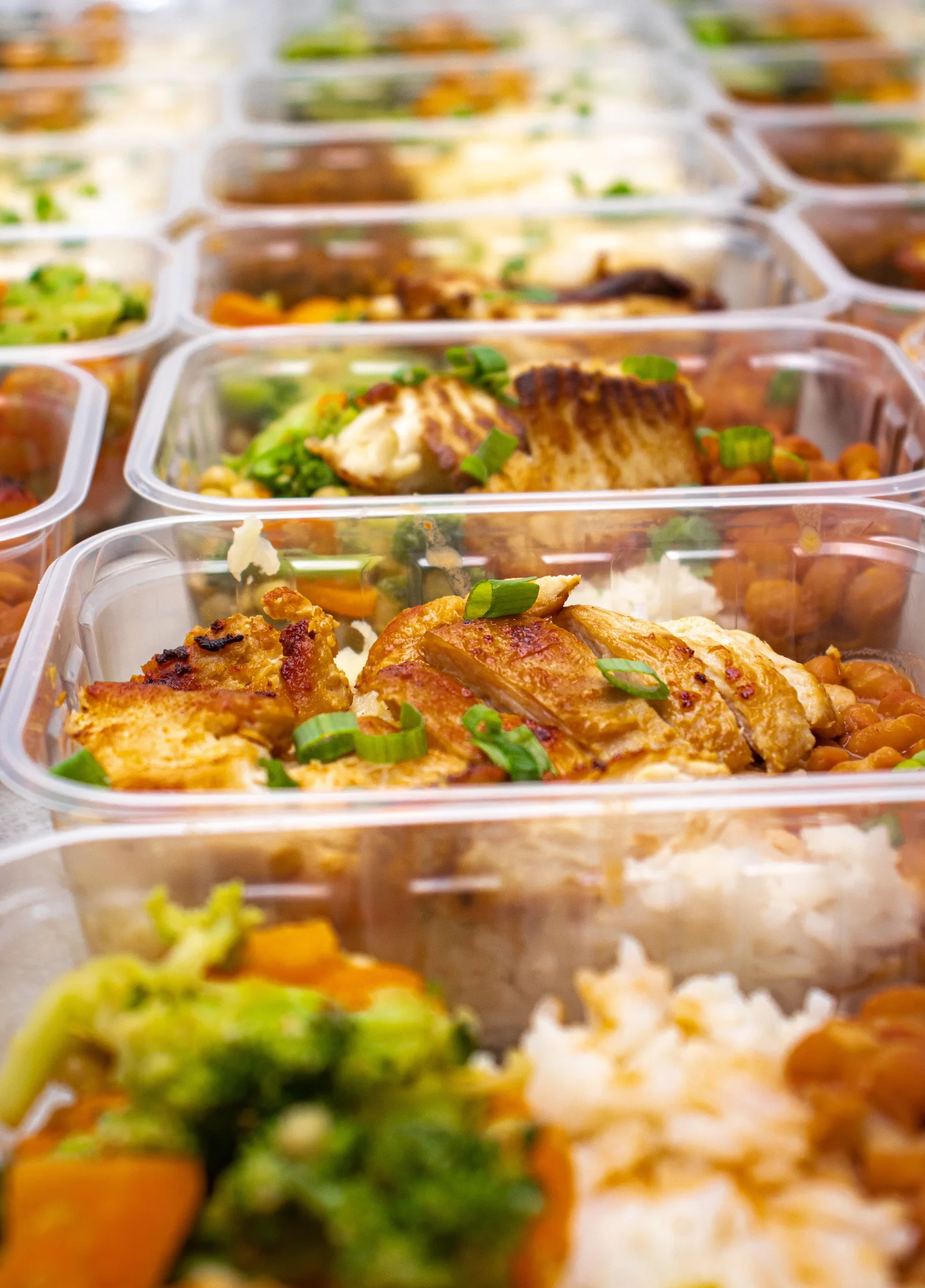
Bulking doesn't need seven different complicated recipes—or a fridge full of food you won't eat. A useful muscle-gain meal plan should cover enough energy to support training, an achievable daily protein target and food you can repeat without resenting it. This seven-day framework uses normal groceries, with both metric and imperial references, easy swaps for different countries and clear ways to add or remove calories.
Start here: estimate maintenance calories from your recent weight and intake trend, choose a modest surplus if gaining muscle is the goal, and monitor average weight gain over several weeks. The 2,500- and 3,000-calorie examples below are illustrative starting templates, not universal bulking prescriptions. Someone may gain weight, maintain or even lose weight at either intake, depending on their size and activity.
How many calories should I eat to bulk up?
For many novice and intermediate bodybuilders, starting roughly 10–20% above estimated maintenance is an evidence-informed option, then adjusting to the actual weight trend. More experienced lifters often benefit from a smaller surplus. A review of off-season bodybuilding nutrition suggests aiming for approximately 0.25–0.5% of body mass gained per week for novice/intermediate lifters, with a more conservative pace for advanced athletes.
For example, if your genuine maintenance intake is 2,400 calories, a 10% surplus is approximately 2,640 calories. That does not mean everybody should start at 2,640. Track morning weigh-ins under consistent conditions, compare weekly averages, and reassess after two or three weeks before making changes. Rapid early gains can reflect more food and glycogen-associated water, not only new tissue.
What macros should a bulking meal plan include?
Set protein first, include adequate fat, then use carbohydrate to support training and complete your calorie target. A natural bodybuilding nutrition review recommends around 1.6–2.2g protein per kilogram daily in the off-season, with fat in a moderate range and the remaining energy largely from carbohydrates. These are planning guides rather than fixed rules for every lifter.
| Illustrative daily intake | Protein | Carbs | Fat | Calculated kcal |
|---|---|---|---|---|
| 2,500-calorie example | 160g | 310g | 69g | 2,501 |
| 3,000-calorie example | 160g | 385g | 91g | 2,999 |
The macro arithmetic uses 4kcal per gram of protein/carbohydrate and 9kcal per gram of fat. The figures are examples, not prescribed daily targets. They may be unsuitable for a smaller or larger person; adjust protein for body weight and alter carbohydrates and fats to meet energy needs.
What is a good seven-day bulking meal plan?
A good plan repeats affordable staples, varies flavours and makes the hardest meals easy to prepare. Each of these days has a protein-based breakfast, lunch, dinner and useful snack. Add vegetables or fruit and enough fluids every day. Quantities should be tailored to the target calories rather than pretending every serving of chicken or oats contains the same energy.
| Day | Breakfast | Lunch | Dinner | Snack or fourth meal |
|---|---|---|---|---|
| Monday | Greek-style yoghurt, oats, berries, nuts | Chicken, rice, broccoli, olive oil | Lean beef or soy mince pasta, tomato sauce, greens | Banana, milk or fortified soy drink, peanut-butter toast |
| Tuesday | Eggs, wholegrain toast, fruit | Tuna or mashed-chickpea wraps, yoghurt dressing | Salmon or tofu, potatoes, carrots | Yoghurt with granola and berries |
| Wednesday | Overnight oats with yoghurt and milk | Turkey or lentil chilli with rice | Chicken or seitan stir-fry with noodles | Cheese or tofu sandwich and fruit |
| Thursday | Omelette, toast, avocado | Leftover chilli with jacket potato | Beef or bean burrito bowl, rice, salsa | Trail mix and yoghurt |
| Friday | Oats, berries, peanut butter, milk | Chicken or chickpea pesto pasta | White fish or tofu curry with rice | Wholegrain bagel with eggs or hummus |
| Saturday | Breakfast wrap with eggs or tofu, peppers | Rice bowl with meat, beans, vegetables | Homemade chicken or veggie burger, potatoes, salad | Milk or soy drink, nuts, fruit |
| Sunday | Pancakes with yoghurt and fruit | Roast chicken or lentil loaf, potatoes, vegetables | Leftover protein and vegetable pasta | Cottage cheese or fortified soy yoghurt, cereal |
There is no need to eat all these foods if you have allergies, ethical preferences or religious dietary requirements. Choose equivalent protein sources you can tolerate. These meals deliberately differ from the more localised FM Coaching UK bodybuilding meal-prep guide by focusing on worldwide bulking portions, calories and shopping flexibility.
How much should I eat at each meal on a 2,500-calorie bulk?
Begin by dividing your energy target into three main meals and one substantial snack, then adjust based on appetite and schedule. A straightforward division is approximately 600kcal breakfast, 700kcal lunch, 750kcal dinner and 450kcal snacks (2,500kcal in total). This is a bookkeeping framework; the actual ingredients and labelled nutrition values determine what you eat.
Here's one repeatable lunch template: 150–200g cooked lean poultry or a protein-equivalent tofu serving, 150–250g cooked rice, a generous portion of vegetables and a measured amount of olive oil or another fat. The energy can differ widely with preparation and portion size—check packaging and weigh ingredients if accurate tracking matters. A cooked weight is not interchangeable with a dry weight.
How do you turn a 2,500-calorie bulking plan into 3,000 calories?
Add approximately 500kcal from foods you enjoy, without forcing another very large protein serving. In the example macro table, protein remains 160g; the additional energy comes from more carbohydrate and fat. One possible approach is to increase rice, oats or potatoes at existing meals and include an extra serving of nuts or olive oil. Verify actual energy using your food labels and cooking amounts.
| If you need more energy | Practical adjustment |
|---|---|
| Breakfast | Add extra oats, toast or a tablespoon of nut butter |
| Lunch | Increase cooked rice/pasta and measure any added oil |
| Dinner | Increase potato, grains or a suitable fat source |
| Snack | Add a bagel, granola, trail mix or smoothie |
Use whichever adjustments give you a sustainable surplus. A high-calorie 'mass gainer' shake is not automatically better than basic groceries and can be costly for what is largely protein and carbohydrate.
How much protein do I need each day to build muscle?
A widely used bodybuilding range during a gaining phase is 1.6–2.2g/kg/day. For someone weighing 80kg (176lb), that is about 128–176g daily. For 70kg (154lb), it's roughly 112–154g daily. You can distribute protein over three to five meals rather than consuming most of it at night.
Protein powder is optional. Everyday protein-rich foods include eggs, fish, poultry, lean meat, yoghurt, tofu, tempeh and bean/wholegrain combinations. Total food intake matters more than a rigid post-workout shake deadline. See the ISSN protein guidance for the broader evidence.
What is the cheapest bulking meal plan?
Choose affordable protein and carbohydrate staples available locally, then repeat them in different dishes. Rice, oats, potatoes, pasta, eggs, dried or canned beans, lentils, frozen vegetables, yoghurt, tofu and bulk packs of suitable lean meat are often useful starting points. Prices vary substantially across countries and seasons, so a fixed 'global weekly cost' would be misleading.
Buy store-brand staples where appropriate, plan around available foods, and use frozen or canned produce to reduce waste. An expensive bodybuilding-branded meal is not inherently better than a balanced home-cooked meal with the same useful nutrients.
What should be on a seven-day bulking shopping list?
Build the list from protein anchors, carbohydrate staples, produce and healthy fats. This is a flexible one-person starting list rather than a precise seven-day calorie prescription. Adjust quantities to how many meals you actually prepare and the protein equivalents you select.
| Category | Useful examples | Shopping note |
|---|---|---|
| Protein | Eggs, poultry, fish, yoghurt, tofu, beans, lentils | Choose 2–3 primary sources plus backups |
| Carbohydrates | Oats, rice, pasta, potatoes, bread, wraps | Track dry versus cooked quantities accurately |
| Fruit/vegetables | Bananas, berries, apples, broccoli, carrots, leafy greens | Mix fresh and frozen to reduce waste |
| Fats | Olive oil, nuts, seeds, peanut butter, avocado | Small amounts can change calories substantially |
| Flavour | Tomatoes, onions, herbs, spices, sauces | Check sauces for added sugar, sodium and allergens |
Because this plan is intended worldwide, use familiar locally accessible equivalents: beans instead of expensive meat, rice instead of potatoes, or fortified soy drink instead of dairy if suitable.
Can you bulk without gaining fat?
You can try to minimise unnecessary fat gain, but no programme can guarantee that every kilogram gained is muscle. A measured surplus, effective resistance training, adequate sleep and weekly trend checks provide a more controlled approach than unrestricted high-calorie eating. If weight rises much faster than your intended rate for several weeks, modestly reduce energy rather than crash dieting.
For people already trying to regain muscle after losing weight, FM Coaching's body recomposition after weight loss guide may be a better fit than automatically entering a large calorie surplus.
Is clean bulking better than dirty bulking?
A controlled calorie surplus with mostly nutritious foods is generally easier to manage than 'eat anything' bulking. 'Clean bulk' and 'dirty bulk' are informal labels, not formally defined diets. The relevant questions are whether you're meeting your calorie, protein and micronutrient needs, whether you can train and recover, and whether bodyweight is increasing at an appropriate rate.
There is no need to avoid every dessert or restaurant meal. Equally, relying on ultra-large takeaways to force calories can overshoot your intended rate of gain and crowd out nutrient-rich food.
How do you meal prep safely for a seven-day bulk?
Cook in manageable batches and freeze meals that will not be eaten promptly. Safe handling matters particularly for cooked chicken and rice. The UK Food Standards Agency advises cooling cooked rice quickly, preferably within an hour, refrigerating it for no more than 24 hours before use, and reheating it only once until steaming hot. Do not leave a whole week's cooked rice at room temperature or in the fridge assuming it will remain safe.
Other refrigerated leftovers have different safe storage windows by country and handling conditions. The US USDA commonly advises eating refrigerated cooked chicken within three to four days, while UK food-safety guidance for mixed leftovers is often more conservative. Follow the guidance relevant to your location and the ingredient, use clean sealed containers, and freeze food you won't eat within its safe window. UK rice safety guidance; USDA cooked chicken guidance.
Should I eat more on training days when bulking?
You can, but you do not have to. Consistency in total weekly energy and adequate protein matters more than perfectly matching calories to each workout. Some athletes prefer extra carbohydrate around long or demanding sessions for comfort and performance. Others find a consistent daily intake easier to maintain. Whichever method you choose, monitor the trend and whether your lifting is progressing.
Bulking meal plan FAQs
Is 3,000 calories enough to bulk?
It depends on your maintenance needs. If 3,000 exceeds your true maintenance intake, you may gain weight; if not, you may maintain or lose. Monitor averages and adjust.
How many meals should I eat to gain muscle?
Three to five meals can work. There is no need to eat six times daily if total calories and protein are sufficient.
How much should a beginner gain per week on a bulk?
A research review suggests around 0.25–0.5% of body weight per week for novice/intermediate bodybuilders, with experienced lifters often aiming lower.
Can I follow this plan without meat or dairy?
Yes. Use suitable tofu, tempeh, pulses, soy foods and fortified alternatives; check the complete protein, iron, calcium and B12 needs of your diet.
Is rice or pasta better for bulking?
Either can fit. Choose based on calories, convenience, tolerance and preference, and track whether servings are weighed cooked or dry.
Do I need mass gainer supplements?
No. They are convenience products; regular meals and a homemade smoothie can provide the same general energy and protein functions.
Should I bulk if I am already gaining body fat?
Not automatically. Assess your recent bodyweight trend, training progress and personal goals; maintenance or a recomposition approach may be more appropriate.
Research sources and useful reading
- Off-season natural bodybuilding nutrition recommendations: calorie surplus and protein.
- ISSN position stand: protein and exercise.
- ACSM 2026 overview of resistance-training evidence.
- UK food safety: cooked rice.
- USDA: storage times for cooked chicken.
This guide is educational rather than an individual diet prescription. Energy needs differ widely; medical conditions, pregnancy, eating disorders and allergies require appropriate personalised advice. Updated November 2026.
Questions and answers
How many calories should I eat while bulking?
Begin from measured maintenance and consider a modest surplus, often around 10–20% for novice/intermediate bodybuilders, adjusted to your weight trend.
How much protein do I need on a bulk?
A common bodybuilder recommendation is roughly 1.6–2.2g/kg/day, adjusted for the individual.
Is 3000 calories enough to bulk?
It can be for someone whose maintenance intake is below 3000 calories, but it is not a universal bulking target.
Can I bulk without fat gain?
A modest surplus can minimise unnecessary fat gain but cannot guarantee exclusively muscle gain.
How many meals per day for muscle gain?
Three to five meals is practical for many people; total calories and protein are more important than an exact number of meals.
How long can I keep meal-prepped rice in the fridge?
Under UK FSA guidance, quickly cooled cooked rice should be refrigerated for no more than 24 hours, reheated only once, or frozen promptly.
Can I follow a bulking plan without meat?
Yes. Plan sufficient protein and nutrients using tofu, pulses, soy foods and appropriate fortified alternatives.